Your roof works harder than almost any other part of your home, standing between you and every storm, heat wave, and freeze the year throws at it. But even the best roofing materials eventually wear out, and when that happens, a roof replacement isn’t just about appearance; it’s about protecting everything underneath. Whether you’re dealing with visible damage or simply an aging roof nearing the end of its lifespan, understanding your options helps you make a confident, informed decision.
Signs You Need a Roof Replacement
Roofs typically show warning signs well before a full failure. Common signs you need a roof replacement include:
- Shingles that are curling, cracking, or missing altogether
- Granules collecting in gutters, indicating shingle deterioration
- Visible sagging anywhere along the roofline
- Daylight visible through the roof boards in the attic
- Frequent or worsening leaks despite repairs
- A roof approaching or exceeding its expected lifespan (typically 20-30 years for asphalt shingles)
If you’re noticing several of these signs together, it’s worth scheduling an inspection with a roof replacement contractor near me to assess whether repair or full replacement makes more sense.
Roof Replacement vs Roof Repair
Not every roofing issue requires full replacement. Understanding roof replacement vs roof repair helps set the right expectations:
- Repair makes sense for isolated issues a small area of damaged shingles, a single leak source, or minor flashing problems especially on a roof that’s otherwise in good condition and not near the end of its expected lifespan.
- Replacement becomes the more practical choice when damage is widespread, the roof is old enough that repairs would only be a temporary fix, or when multiple issues are compounding across the roof’s surface.
A trustworthy roofing contractor will give you an honest assessment rather than pushing replacement when a repair would genuinely serve you well for years to come.
Choosing Your Roofing Material
Material choice significantly affects cost, lifespan, and overall performance.
Asphalt Shingle Roof Replacement
Asphalt shingle roof replacement remains the most common choice for residential homes, thanks to a favorable balance of cost, durability, and straightforward installation. Modern architectural shingles offer improved wind resistance and a longer lifespan compared to older three-tab shingle designs, typically lasting 20-30 years with proper installation and maintenance.
Metal Roof Replacement Cost
Metal roof replacement cost tends to run higher upfront than asphalt shingles, but metal roofing often lasts 40-70 years, offers excellent wind and fire resistance, and can improve energy efficiency by reflecting heat rather than absorbing it. For homeowners planning to stay long-term, the extended lifespan can make metal a cost-effective choice over the life of the roof, even with the higher initial investment.
Tile Roof Replacement
Tile roof replacement whether clay or concrete offers exceptional durability and a distinctive appearance well-suited to certain architectural styles, particularly in warmer climates. Tile roofs can last 50 years or more, though the material’s weight requires the underlying structure to be properly rated to support it, which is worth confirming before committing to this option.
Flat Roof Replacement
Flat roof replacement applies to commercial buildings and certain residential styles, typically using materials like modified bitumen, TPO, or EPDM rubber membrane rather than traditional shingles. Flat roofs require particular attention to proper drainage design, since standing water is one of the most common causes of premature flat roof failure.
What Happens During Roof Tear-Off and Installation
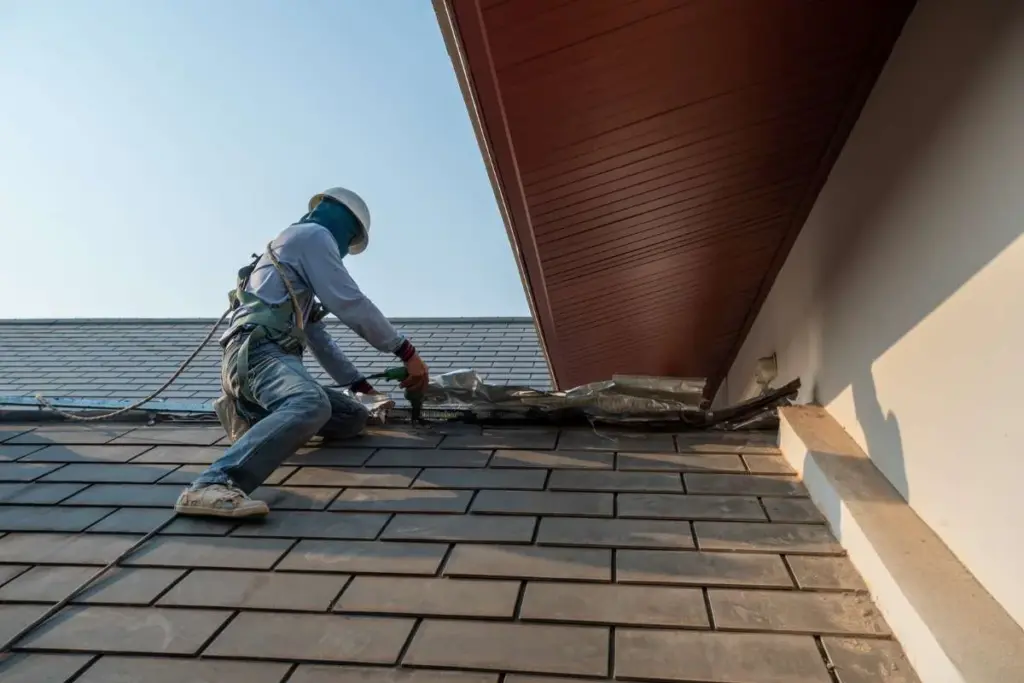
Understanding the roof tear-off and installation process helps set realistic expectations for your project:
- Tear-off Removing the old roofing material down to the deck, allowing for a full inspection of the underlying structure.
- Deck inspection and repair Identifying and repairing any damaged or rotted decking before new material goes on.
- Underlayment installation Applying a moisture barrier that protects the deck even before shingles or other roofing material is installed.
- New material installation Installing the chosen roofing material according to manufacturer specifications and local building codes.
- Flashing and ventilation Properly sealing joints, valleys, and penetrations, along with ensuring adequate attic ventilation.
- Final inspection and cleanup Reviewing the completed work and clearing debris from the property.
Roof Underlayment and Ventilation: Often Overlooked Essentials
Roof underlayment and ventilation don’t get the same attention as visible shingles, but both play a critical role in a roof’s long-term performance. Underlayment provides a secondary moisture barrier that protects the roof deck if water ever gets past the primary roofing material. Proper attic ventilation, meanwhile, regulates temperature and moisture in the attic space, helping prevent issues like ice dams in cold climates and premature shingle deterioration from trapped heat in warmer ones.
Roof Replacement Permits
Most roof replacement permits are required by local building departments, particularly for full tear-off and replacement projects. A reputable contractor handles this process on your behalf, ensuring the work meets current local building codes an especially important consideration if you’re upgrading materials or making changes to the roof’s structure.
Storm Damage Roof Replacement
Storm damage roof replacement often comes with added urgency, since compromised roofing can lead to water intrusion and further property damage if not addressed promptly. After significant storms hail, high winds, or fallen debris it’s worth scheduling a professional inspection even if damage isn’t immediately obvious from the ground, since some issues are only visible up close.
Working With Roof Replacement Insurance Claims
When storm or other covered damage necessitates replacement, understanding the roof replacement insurance claim process helps things go smoothly. Most insurers require documentation of the damage, often including photos and a contractor’s assessment. Many roofing companies have experience working directly with insurance adjusters and can help ensure the claim reflects the actual scope of necessary repairs. It’s worth reviewing your policy’s specific coverage details and deductible before assuming the full cost will be covered.
Roof Replacement Timeline
Roof replacement timeline expectations depend on roof size, material, and weather conditions during installation. Most residential asphalt shingle replacements are completed within one to three days, while more complex materials like tile or metal, or larger commercial flat roofs, can take longer. Weather delays are common, since most roofing materials shouldn’t be installed during active rain or extreme temperatures.
Understanding Roof Replacement Cost
Roof replacement cost varies based on several factors:
- Roof size and pitch (steeper roofs require more labor and safety equipment)
- Material choice, since asphalt, metal, and tile carry significantly different price points
- Extent of any necessary deck repair discovered during tear-off
- Local labor rates and permit fees
- Complexity of the roofline, including valleys, dormers, and chimneys
A trustworthy contractor will provide a detailed roof replacement estimate that separates material and labor costs clearly, rather than a vague lump-sum number.
Roof Replacement Financing Options
Given the significant investment a new roof represents, many contractors offer roof replacement financing options, allowing homeowners to spread the cost over time rather than paying entirely upfront. It’s worth discussing available financing during your initial consultation, especially if you’re weighing replacement against ongoing repair costs on an aging roof.
Understanding Roof Replacement Warranty Coverage
A roof replacement warranty typically includes two components: a manufacturer’s warranty covering the materials themselves, and a separate workmanship warranty from the contractor covering the installation. Both matter quality materials installed poorly can still fail prematurely, so it’s worth understanding exactly what each warranty covers and for how long before signing a contract.
Choosing the Right Roof Replacement Contractor
When searching for roof replacement services, look for:
- Proper licensing and insurance
- Manufacturer certifications for the specific roofing material you’re considering
- A portfolio of completed projects and positive reviews mentioning quality and communication
- Clear, itemized estimates and transparent warranty terms
- Experience handling insurance claims, if your project involves storm damage
Final Thoughts
A roof replacement is a significant investment, but it’s also one of the most important for protecting your home’s structure and everything inside it. Whether you’re dealing with storm damage, an aging roof, or persistent leaks that repairs can no longer fix, working with an experienced roof replacement contractor ensures the job is done right with quality materials, proper installation, and a warranty that gives you real peace of mind.
Noticing signs of roof damage or wear? Reach out to a trusted local roofing contractor for an inspection and a detailed estimate.
Frequently Asked Questions
How do I know if I need a roof repair or full replacement? Isolated damage on an otherwise healthy roof often just needs repair, while widespread damage or a roof nearing the end of its expected lifespan usually calls for full replacement. A professional inspection can clarify which applies to your situation.
How long does a roof replacement typically take? Most residential asphalt shingle replacements take one to three days, while more complex materials or larger commercial roofs can take longer, especially with weather delays factored in.
Will my homeowners insurance cover roof replacement? It depends on the cause of damage and your specific policy. Storm or covered-peril damage is often eligible for a claim, while normal wear and aging typically aren’t covered.
How much does a roof replacement cost? Cost varies based on roof size, material choice, and any necessary deck repairs. Getting a detailed, itemized estimate from a contractor is the best way to understand pricing for your specific roof.
What’s included in a roof replacement warranty? Most roof replacements include both a manufacturer’s warranty on materials and a separate workmanship warranty from the contractor covering the installation itself. It’s worth reviewing the specific terms and duration of each before signing a contract.