Not every aging or damaged roof needs a full replacement. In many cases, a roof coating can restore protection, stop minor leaks, and extend a roof’s usable life by years, all at a fraction of the cost of tearing off and replacing the entire system. Especially popular for flat and low-slope roofs on both commercial and residential buildings, roof coatings have become a smart, cost-effective maintenance strategy for property owners looking to get more life out of their existing roof.
What Is a Roof Coating?
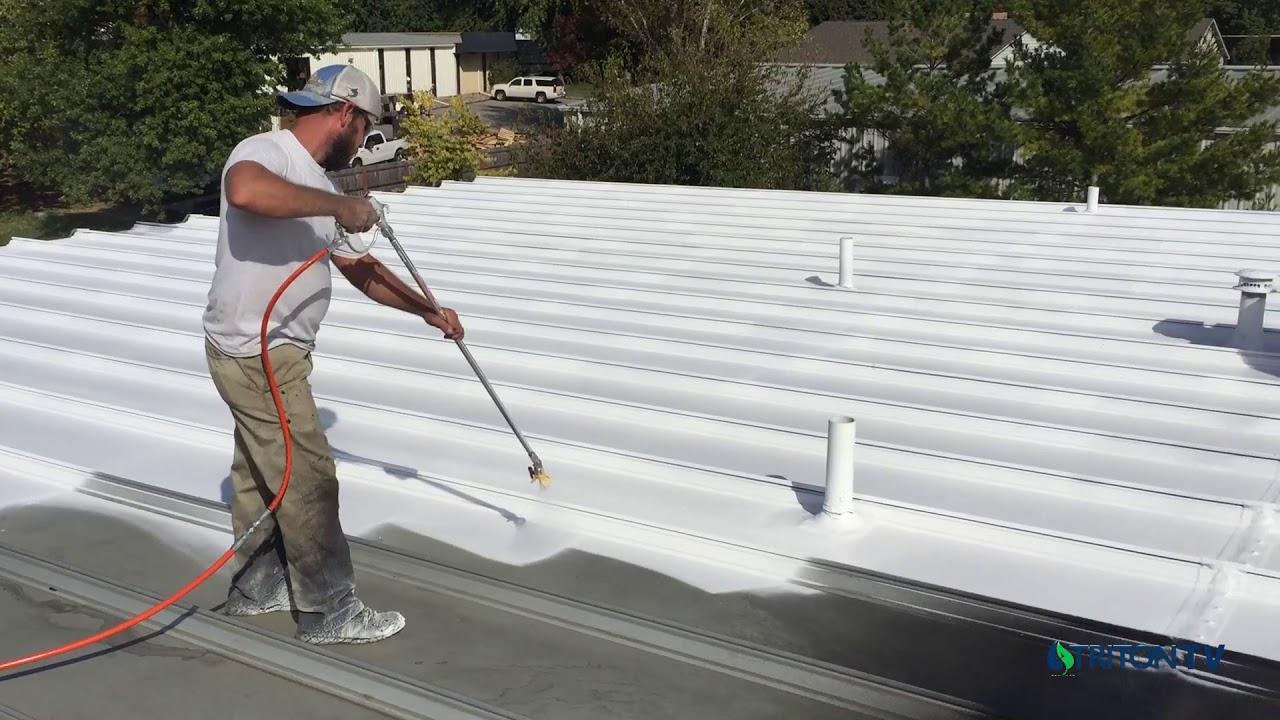
liquid-applied membrane that goes directly over an existing roof surface, curing into a seamless, protective layer. Rather than replacing roofing materials, coatings work with what’s already there, sealing minor cracks and seams, adding waterproofing protection, and often improving energy efficiency through reflective properties. This makes coatings an appealing option for roofs that are structurally sound but showing signs of wear, weathering, or minor leaks.
Roof Coating vs Roof Replacement
Understanding roof coating vs roof replacement helps clarify which approach makes sense for your specific situation:
- Roof coating works best on roofs that are structurally sound with minor to moderate wear, offering a cost-effective way to extend lifespan and improve performance without a full tear-off.
- Roof replacement becomes necessary when the underlying structure is compromised, when there’s extensive water damage beneath the surface, or when a roof has simply exceeded what a coating can reasonably address.
A qualified contractor will conduct a thorough inspection before recommending coating, since applying a coating to a roof with significant underlying damage only delays a replacement that’s genuinely needed without addressing the root problem.
Types of Roof Coating Materials
Different coating formulations offer different strengths, and choosing the right one depends on your climate, roof type, and specific performance needs.
Silicone Roof Coating
Silicone roof coating stands out for its exceptional resistance to ponding water, making it a strong choice for flat roofs where drainage isn’t perfect. Silicone coatings also hold up well against UV exposure without degrading over time, maintaining their protective properties through years of sun exposure.
Acrylic Roof Coating
Acrylic roof coating offers a more budget-friendly option with strong reflective properties, making it popular for improving energy efficiency. Acrylic coatings perform best on roofs with good drainage, since they’re generally less resistant to prolonged standing water compared to silicone options.
Rubber Roof Coating
Rubber roof coating, often formulated from EPDM or similar rubber-based compounds, provides excellent flexibility and durability, allowing the coating to expand and contract with temperature changes without cracking. This makes rubber coatings a popular choice in climates with significant seasonal temperature swings.
Elastomeric Roof Coating: Flexibility Built In
Elastomeric roof coating refers broadly to coatings formulated with high flexibility, allowing them to stretch and return to their original shape as the roof expands and contracts with temperature changes throughout the day and across seasons. This elasticity is key to long-term performance, since a rigid coating would crack under the same conditions that a flexible one simply absorbs.
Waterproof Roof Coating for Leak Prevention
One of the primary functions of any quality waterproof roof coating is sealing out moisture. Applied properly, a coating creates a seamless membrane over the entire roof surface, eliminating the small gaps and seams where water often finds its way in. This makes coatings particularly effective for leaks originating from minor, widespread wear rather than a single isolated source of damage.
Reflective Roof Coating for Energy Savings
Beyond waterproofing, a reflective roof coating for energy savings can meaningfully reduce cooling costs, particularly in warmer climates. These coatings, often white or light-colored, reflect sunlight rather than absorbing it as heat, which can lower roof surface temperatures significantly and reduce the load on air conditioning systems during hot months. This category of product is often referred to as cool roof coating systems, and some jurisdictions offer incentives for buildings that adopt reflective roofing to reduce overall energy demand.
Metal Roof Coating
Metal roof coating serves a slightly different purpose than coatings for flat or low-slope roofs. On metal roofing, coatings help prevent rust and corrosion, seal minor seam leaks, and can restore a faded or chalky appearance without the cost of a full metal roof replacement. This is particularly valuable for older metal roofs that remain structurally sound but are showing surface-level wear.
The Flat Roof Coating Application Process
Understanding the flat roof coating application process helps set expectations for the project:
- Inspection and assessment: Evaluating the roof’s current condition to confirm coating is the right approach rather than replacement.
- Cleaning and preparation: Thoroughly cleaning the roof surface to remove debris, dirt, and any loose or failing material.
- Repairs: Addressing any existing cracks, seams, or minor damage before the coating is applied.
- Primer application: Applying primer where needed to ensure proper adhesion, depending on the roofing substrate.
- Coating application: Applying the coating in the recommended number of coats, allowing proper curing time between applications.
- Final inspection: Confirming complete, even coverage and proper curing before considering the project complete.
Commercial Flat
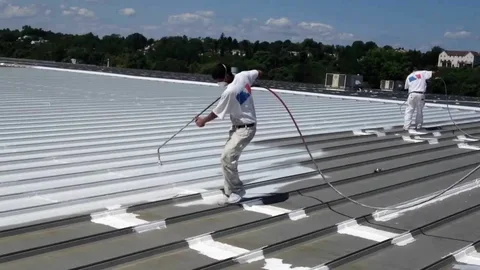
Commercial flat projects often involve larger surface areas and require careful planning around building operations to minimize disruption. Beyond leak prevention and energy savings, commercial property owners frequently pursue coating projects as part of a broader roof asset management strategy extending the useful life of an existing roof system to defer the significant capital expense of full replacement.
Lifespan
Roof coating lifespan varies depending on the specific product used, application quality, and local climate conditions, but most quality coatings last anywhere from 10 to 20 years before requiring recoating. Regular inspection and maintenance can help maximize this lifespan, and in many cases, a roof can be recoated again once the initial coating begins to wear, extending protection even further without a full roof system replacement.
Roof Coating Maintenance
Ongoing roof coating maintenance is relatively minimal compared to other roofing systems, but a few practices help maximize performance:
- Schedule periodic inspections to catch any developing issues early
- Clear debris and standing water where drainage allows
- Address any minor damage or wear promptly before it expands
- Follow manufacturer guidance on recoating timelines to maintain continuous protection
Understanding Roof Coating Cost
cost per square foot depends on several factors:
- Coating material selected (silicone, acrylic, or rubber-based options each carry different price points)
- Roof size and current condition, including any necessary prep work or repairs
- Number of coats required for adequate protection
- Roof accessibility and complexity
Compared to full roof replacement, coating typically represents significant cost savings, making it an appealing option for property owners looking to extend a roof’s life without the expense of a complete tear-off.
Warranty Considerations
A roof coating warranty typically covers the material’s performance for a specified period, often ranging from 10 to 20 years depending on the product and manufacturer. It’s worth confirming exactly what’s covered; some warranties address only material defects, while others include labor for reapplication if the coating fails prematurely. A reputable contractor will explain these details clearly before you commit to a specific product.
Choosing the Right Roof Coating Contractor
When searching for roof coating services near me, look for:
- Experience specifically with coating applications, not just general roofing
- Manufacturer certifications for the specific products they use
- A thorough inspection process before recommending coating over replacement
- Transparent, itemized estimates
- Positive reviews mentioning proper application and lasting results
Final Thoughts
For roofs that are structurally sound but show signs of wear, a quality roof coating offers a smart, cost-effective way to extend their usable life, stop minor leaks, and even reduce energy costs, all without the expense and disruption of a full replacement. Whether you’re managing a commercial flat roof or maintaining a residential property, understanding your coating options helps you get the most value out of your existing roof system.
Considering your property? Reach out to a trusted local roof coating contractor for an inspection and a detailed estimate.
Frequently Asked Questions
How long does a roof coating typically last? Most quality roof coatings last 10 to 20 years depending on the product, application quality, and climate conditions, and can often be recoated to extend protection even further.
Is roof coating cheaper than roof replacement? Yes, roof coating is typically significantly less expensive than a full roof replacement, making it a popular option for roofs that are structurally sound but showing surface wear.
Can roof coating stop an active leak? Coating can effectively seal minor, widespread wear-related leaks, but active leaks from significant structural damage typically need to be repaired before coating is applied.
Does roof coating actually reduce energy costs? Reflective coatings, particularly white or light-colored options, can meaningfully reduce roof surface temperature and lower cooling costs, especially in warmer climates.
How do I know if my roof is a good candidate for coating instead of replacement? A professional inspection is the best way to confirm this. Roofs with sound structure and only minor to moderate wear are typically good candidates, while roofs with extensive underlying damage usually require replacement.