A roof protects your property from weather, moisture, and structural damage, but even a well-maintained roofing system eventually reaches the end of its useful life. Missing shingles, recurring leaks, sagging areas, and widespread material deterioration may indicate that repairs are no longer enough. Professional roof replacement services in California help homeowners and commercial property owners upgrade aging roofs with durable materials and reliable installation. If your roof shows years of wear or extensive storm damage, replacing it at the right time can improve property protection, energy efficiency, and long-term value.
Signs Your Property May Need a Roof Replacement
Knowing when to replace your roof can help you avoid unexpected damage and costly emergency work. Although some roofing issues can be resolved through repairs, widespread deterioration may require a complete replacement.
- Frequent roof leaks: Repeated leaks in different areas may indicate that the roofing system is failing.
- Widespread shingle damage: Curling, cracking, missing, or deteriorating shingles can reduce the roof’s ability to keep water out.
- Visible sagging: Uneven roof sections may indicate structural concerns that require prompt professional assessment.
- Aging roofing materials: Roofs approaching the end of their expected service life may become increasingly expensive to maintain.
- Storm-related damage: Severe wind, falling branches, or other weather events can cause damage extensive enough to justify replacement.
- Rising repair expenses: If repairs are becoming frequent and extensive, comparing replacement costs may be worthwhile.
A professional roof inspection can help determine whether targeted repairs are sufficient or a new roofing system is the more practical option.
Benefits of Professional Roof Replacement in California
California properties experience a range of weather conditions, from intense summer sunshine to seasonal rainfall and strong winds in certain areas. Choosing suitable roofing materials and ensuring proper installation can help your property handle these conditions.
Improved Weather Protection
A properly installed roof helps protect your building from rain, wind, and moisture intrusion. Replacing deteriorated materials also provides an opportunity to address vulnerable flashing, underlayment, and roof penetrations.
Better Energy Performance
Roof replacement provides an opportunity to evaluate attic insulation, ventilation, and roofing materials that may help manage indoor temperatures. The overall energy benefit depends on the roof design, insulation, ventilation, and local climate.
Enhanced Property Appearance
A new roof can refresh the exterior appearance of your home or commercial building. With different colors, profiles, and material options available, property owners can select a style that complements the building’s design.
Long-Term Value
Installing a suitable roofing system can reduce the need for repeated repairs associated with an aging roof. Proper maintenance and professional workmanship can also help extend the service life of the new materials.
Residential and Commercial Roof Replacement Services
Roof replacement requirements vary depending on the building’s size, structure, existing materials, and intended use. A qualified roofing contractor can evaluate these factors before recommending an appropriate solution.
Residential Roof Replacement
Your home’s roof protects your family, belongings, and interior spaces. Residential roof replacement typically involves removing existing roofing materials when necessary, inspecting the underlying structure, addressing damaged decking, and installing a new roofing system.
Homeowners may choose asphalt shingles, metal roofing, tile, or other suitable materials depending on their budget, architectural preferences, and property requirements. Proper ventilation, flashing, and underlayment are also important considerations during installation.
Commercial Roof Replacement
Commercial buildings may require roofing systems designed for large surface areas, flat roofs, or low-slope structures. Common options include suitable single-ply membranes, modified bitumen, and other commercial roofing assemblies.
A commercial roof replacement project should account for drainage, rooftop equipment, insulation, building use, and the potential effect of construction on business operations. Planning these details helps property owners make informed decisions about durability and long-term maintenance.
Popular Roofing Materials for California Properties
Selecting the right roofing material is an important part of a successful replacement project. Each option offers different benefits, maintenance requirements, and installation considerations.
Asphalt shingles: A widely used residential option available in various colors and styles. They offer flexibility for many budgets and architectural designs.
Metal roofing: Known for durability and its potential for long service life when properly installed and maintained. Specific products may also offer reflective finishes that help manage solar heat.
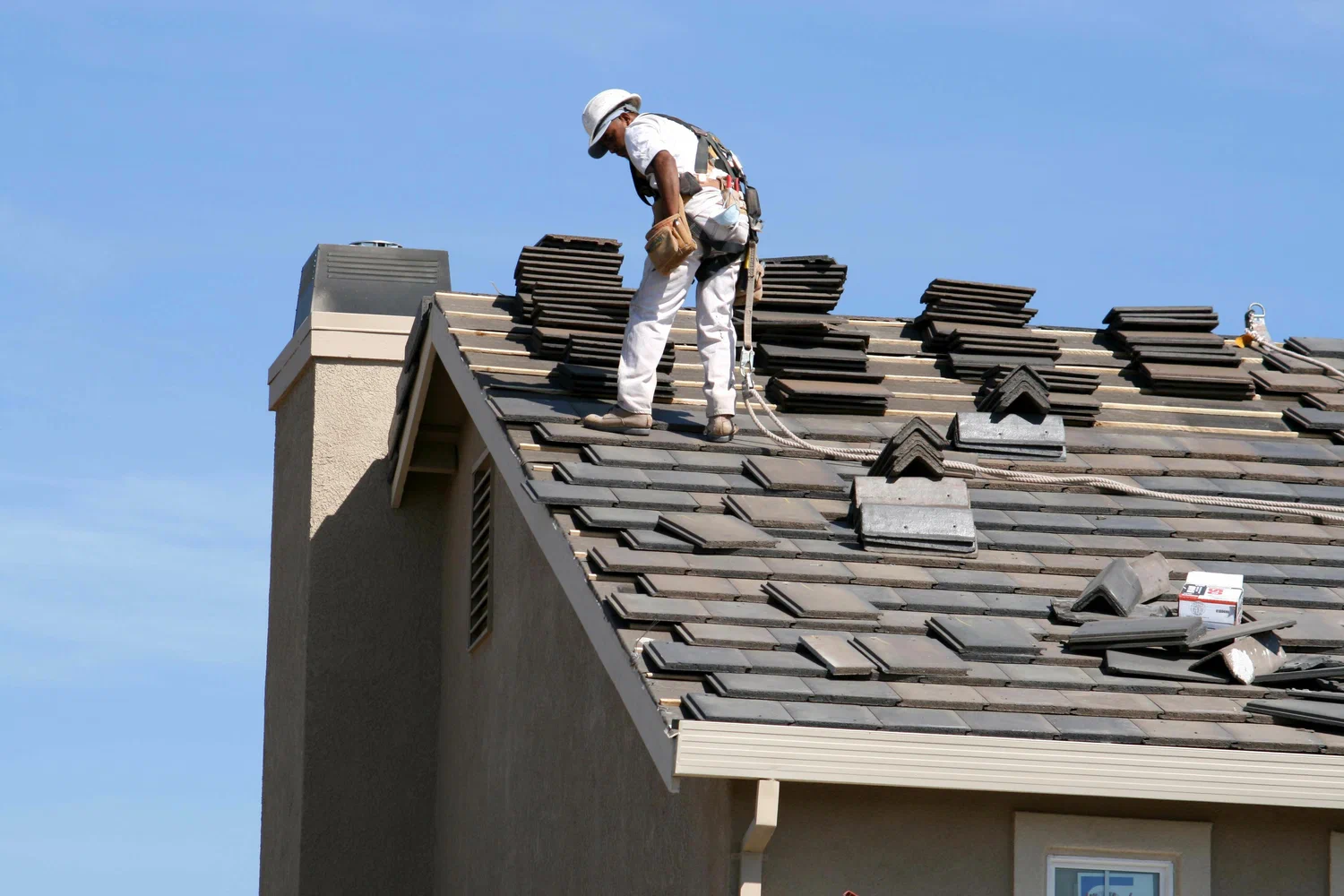
Tile roofing: Clay and concrete tiles provide a distinctive appearance and can perform well in suitable climates. Their weight and structural requirements must be evaluated before installation.
Flat and low-slope roofing systems: Commercial properties may benefit from membrane-based systems selected according to drainage conditions, building requirements, and expected performance.
The best choice depends on local building requirements, roof structure, climate exposure, and your long-term goals. In wildfire-prone areas, property owners should also consider applicable fire-resistance requirements and local building codes.
The Roof Replacement Process
Understanding the replacement process helps you prepare for the project and know what to expect.
- Initial inspection: The contractor evaluates the existing roof, identifies damage, and assesses the condition of accessible roofing components.
- Material selection and estimate: You review suitable roofing options, project costs, timelines, and warranty information.
- Preparation and removal: The work area is prepared, and existing materials are removed when required by the selected installation method and applicable code.
- Underlying structure assessment: The contractor checks the roof decking and other accessible components for damage that needs attention.
- New roof installation: Underlayment, flashing, roofing materials, and other required components are installed according to the system specifications.
- Final inspection and cleanup: The completed roof is inspected, construction debris is removed, and the contractor reviews the finished work with you.
Permit requirements and project timelines vary by location, roof complexity, weather, and the condition of the existing structure.
How Much Does Roof Replacement Cost in California?
The cost of replacing a roof depends on several factors, so a property-specific estimate is more useful than relying on a single statewide price.
Key cost factors include:
- Total roof area and slope.
- Roofing material and product quality.
- Removal and disposal of existing materials.
- Repairs to damaged decking or structural components.
- Flashing, ventilation, and drainage requirements.
- Roof accessibility, labor, and local permit requirements.
To compare estimates fairly, ask each contractor to specify the materials, labor, removal costs, underlying repairs, cleanup, and warranty terms. A detailed written estimate helps you understand what is included and reduces the likelihood of unexpected expenses.
Choosing a Reliable Roof Replacement Contractor
The quality of installation is just as important as the roofing materials you select. Before hiring a contractor, verify their California contractor license where applicable, confirm insurance coverage, and ask about experience with your chosen roofing system.
Review written proposals carefully and make sure the scope of work, payment schedule, warranty coverage, and expected timeline are clearly explained. You should also confirm whether permits and inspections are included in the project plan.
A dependable roofing professional will explain the available options, answer your questions, and help you choose a solution that suits your property rather than recommending unnecessary work.
Schedule Your Roof Replacement Consultation
An aging or severely damaged roof can put your property at risk and lead to ongoing repair expenses. Recognizing the warning signs and exploring replacement options early can help you plan your project before problems become more serious.
If you own a home or manage a commercial property, professional roof replacement services can help you select appropriate materials, improve weather protection, and restore your building’s appearance. Arrange a roof inspection with a qualified California roofing contractor to discuss your roof’s condition, compare suitable materials, and receive a detailed replacement estimate.