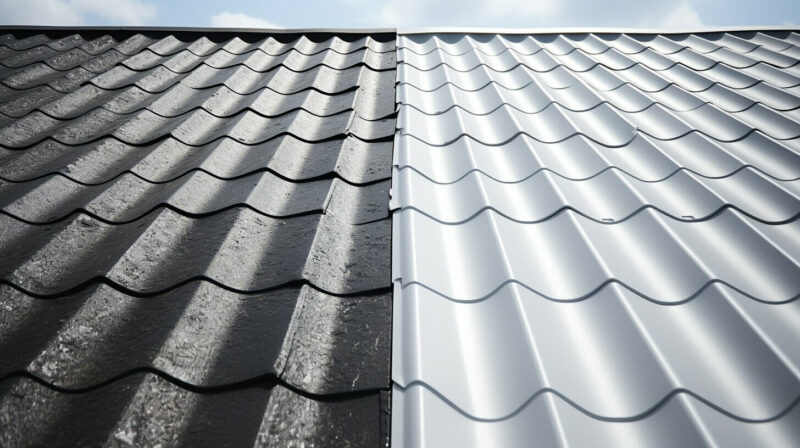
A seamless, waterproof, reflective barrier can add years of protection to your roof and structure. Roof coating benefits include lower indoor temperatures and energy bills, enhanced thermal resistance and waterproofing, preventing daily wear and tear and mitigating the urban heat island effect. Silicone, acrylic or polyurethane coatings work differently and suit different roof types. Per the EPA, buildings with cool roofs require less air conditioning and consume less energy, and have more comfortable indoor temperatures.
Save Thousands: Extend Your Roof’s Life Without Costly Replacements
Is your roof too old or damaged for simple patches? Do you know that a liquid-applied silicone roof coating system can act as a new layer, adding 15-20 years to your roof’s life? A recent cool roof study has revealed that cool roof coatings can reduce the surface temperatures by at least 8.7℃ to 34.2℃. Roof coatings reflect the heat away from the surface; high thermal emittance results in lower temperatures inside and around the buildings, and into the surrounding ambient air, mitigating the heat-island effect. If you are searching for roof coating near me, read our guide below to understand the roof coating benefits.
| Did you know?Properly applied coatings can extend the roof’s life by up to 25%, reducing the need for full replacements and landfill waste. |
Here is your guide to doubling your roof’s life with roof coatings.
Enhanced UV Protection and Reflectivity
Acrylic and silicone are highly reflective coatings and are ideal for reducing harsh UV damage. By preventing blistering, cracking and premature aging, roof coatings postpone the need for expensive tear-offs and roof replacements.
Dust and dirt accumulation can reduce the reflectivity of roof coatings by up to 37%, making cleaning and roof maintenance an essential part of extending the life of your roof’s coatings.
Waterproofing
Seamless, monolithic membrane fills cracks and gaps to prevent leaks, mold and corrosion. Silicone coatings are ideal for flat or low-sloped roofs that are more prone to water ponding issues.
Coatings protect against rain, ice and wind, sealing the roof seams to prevent water seepage.
| Fast FactRoof coatings are not a substitute for repairing structural damage. If applied over leaks or a failing roof, it can trap moisture and cause more damage. |
Thermal Resistance
A well-adhered roof coating with appropriate thickness can reduce surface heat absorption and limit the expansion and contraction or roofing materials. This limits the cracks and stress on the structure and protects and extends the life of your roof.
Around 2.5 billion square feet of roofs are recoated or replaced in the US annually. Growing at a CAGR of 3.32%, the US roof coatings market is expected to reach $0.8 billion by 2032.
Energy Efficiency
Do you know that applying roof coatings can reduce maximum internal temperatures by 2.2 to 5.9℉? Whether you choose silicone, polyurethane or acrylic, highly reflective coatings reduce heat absorption and the need for air conditioning, resulting in cooler and pleasant indoor temperatures.
| Important factAccording to the EPA, cool roof coatings can lower peak energy demand by 11 to 27% in air-conditioned buildings and reduce pollution and greenhouse gas emissions. |
Flexibility
Flexible elastomeric roof coatings expand and contract with the roof. This prevents cracks and tears, enhancing your roof’s performance, especially in areas prone to more rapid temperature fluctuations. Polyurethane coating provides resistance to abrasion, impact, and high foot traffic, making it ideal for commercial roofs.
Cost-Effective Sustainability and Environmental Defence
High-performance commercial roof coatings protect against wind, hail and hurricane damage, adding a sturdy layer facing flying debris and water damage. If you are thinking about roof replacement, applying roof coatings is much cheaper than tear-offs and new roof installation, and reduces the construction debris in the landfills.
Conclusion
The roof coating benefits are manyfold. Roof coatings can add a new layer of protection to your deteriorating roof. Whether you choose silicone for water pooling issues, acrylic for high reflectivity or polyurethane for its resistance to abrasion, roof coatings are an affordable alternative to costly replacements. Schedule a consultation with a professional roof coating service to understand which type of coating suits your structure and climate.
FAQs
How long do roof coatings last?
With regular maintenance and proper application, roof coatings can last from 5 to 20 years, depending on the type and the external factors.
Is one coat enough to protect my roof?
A single coat may adhere well but degrade and peel faster over time, especially over high-stress areas, due to harsh UV exposure and extreme climate conditions. Applying two coats thickens your protective layer and prevents cracking and blistering.
How often should I coat my roof?
The general guidelines for roof coatings vary from 5 to 10 years. However, the frequency of roof coatings depends on the coating, climate conditions and the type of coating you are using.