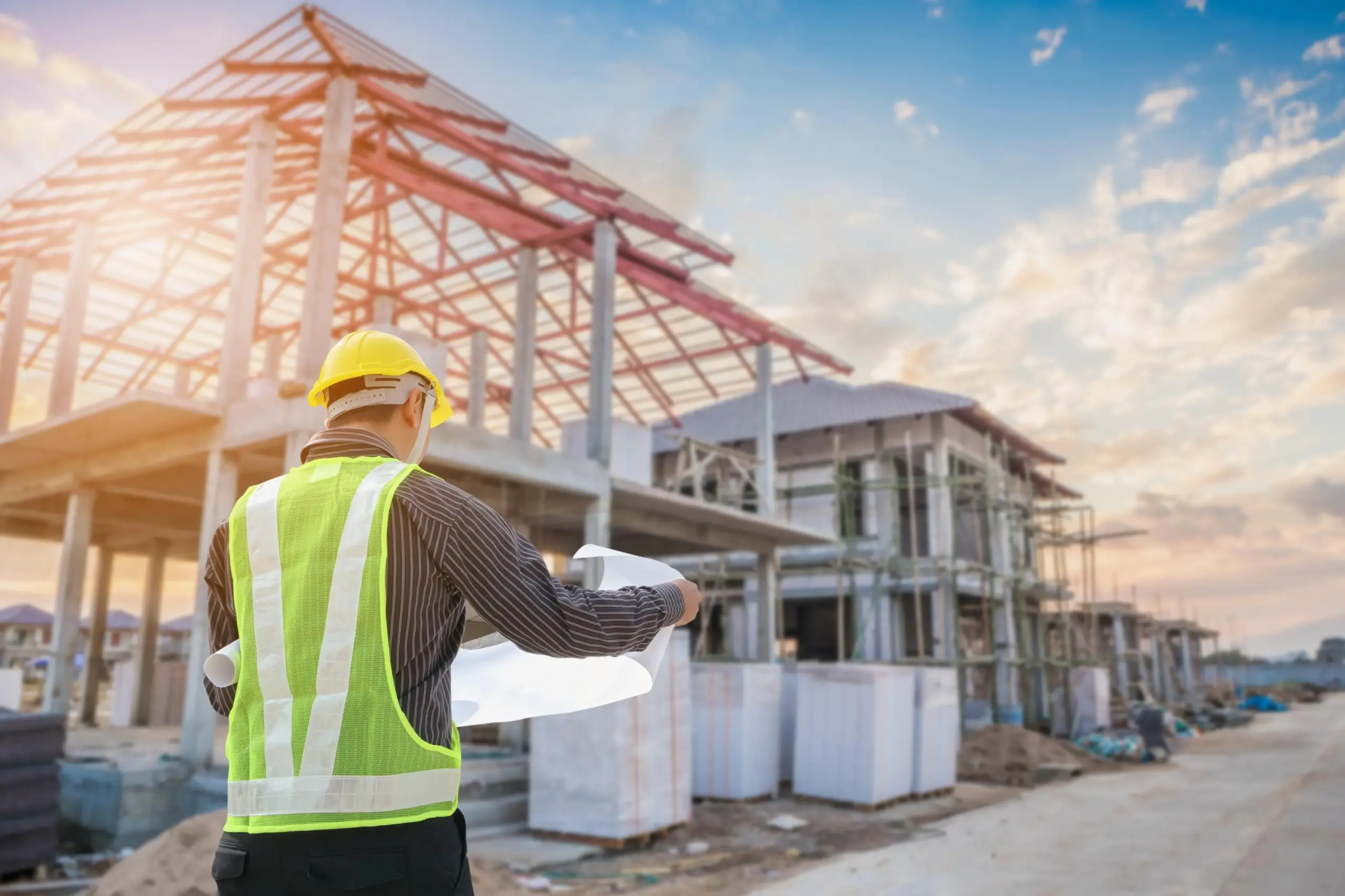
Behind every successful building project, whether it’s a custom home, a commercial tenant space, or a major structural addition, is a general contractor coordinating countless moving pieces into a finished result. General construction covers this entire scope, managing everything from initial planning through final walkthrough, and bringing together the trades, materials, and scheduling needed to turn a set of plans into a completed structure.
What General Construction Actually Covers
A capable general construction company typically manages a wide range of project types and scales, including:
- Ground-up construction for new homes or commercial buildings
- Tenant improvement projects for commercial spaces
- Major additions and structural renovations
- Commercial building construction and buildouts
- Coordination of specialized trades like electrical, plumbing, and HVAC
Understanding this range helps clarify what a general contractor actually manages versus the specialized subcontractors working under their oversight.
General Contractor vs Subcontractor
Understanding general contractor vs subcontractor roles clarifies how a construction project actually gets built. A general contractor oversees the entire project, managing scheduling, permitting, quality control, and communication with the property owner, while coordinating specialized subcontractors electricians, plumbers, framers, and other trades who handle their specific portion of the work. This structure means the property owner has a single point of contact managing the full project, rather than needing to coordinate multiple independent trades directly.
New Construction Services
New construction services cover projects built entirely from the ground up, whether residential or commercial. This category of work involves the most comprehensive project scope, starting with site preparation and foundation work and continuing through every phase of construction until the building is fully completed and ready for occupancy.
Ground-Up Construction
Ground-up construction projects require particularly thorough planning, since every element structural, electrical, plumbing, and finishing is being designed and built without any existing infrastructure to work around. This offers significant design flexibility compared to renovation work, though it also represents a larger overall investment and longer project timeline.
Custom Home Construction
Custom home construction allows homeowners to build a residence designed entirely around their specific needs and preferences, rather than adapting to an existing structure’s constraints. This process typically involves close collaboration between the homeowner, architect, and general contractor throughout design and construction, ensuring the finished home genuinely reflects the owner’s vision rather than a standardized template.
Commercial Building Construction
Commercial building construction encompasses office buildings, retail spaces, industrial facilities, and other business properties. These projects often involve more complex code requirements, accessibility standards, and coordination with future tenants’ specific operational needs compared to residential construction, making experience with commercial-specific building codes and standards particularly important.
Tenant Improvement Construction
Tenant improvement construction addresses the customization of commercial spaces to suit a specific business’s needs, modifying layout, updating finishes, and adjusting infrastructure within an existing building shell to accommodate a new or expanding tenant. This work often happens under tighter timelines than ground-up construction, since businesses typically want to minimize the gap between signing a lease and opening their doors.
Design-Build Construction Services
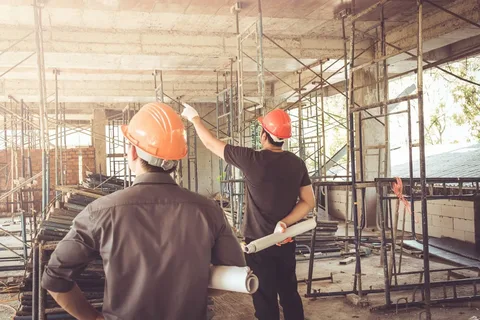
Many property owners find real value in design-build construction services, where design and construction are handled by an integrated team rather than split between a separate architect and general contractor. This approach typically streamlines communication, helps keep budgets accurate from the earliest planning stages, and reduces the friction that can occur when design and construction teams aren’t working in close coordination throughout the project.
Construction Project Management
Effective construction project management is what ultimately determines whether a complex project stays on schedule and within budget. This involves coordinating the timing and sequencing of different trades, managing material deliveries, maintaining consistent communication with the property owner, and proactively addressing issues before they cause significant delays. Strong project management is often the difference between a project that runs smoothly and one that experiences constant, frustrating setbacks.
Understanding the General Construction Timeline
General construction timeline expectations vary enormously based on project scope. A tenant improvement project might take a matter of weeks, while ground-up custom home construction or larger commercial buildings can take many months to over a year, depending on size and complexity. A transparent general contractor provides a realistic timeline upfront based on genuine project specifics, rather than an overly optimistic estimate that inevitably slips.
General Contractor Permits and Licensing
Navigating general contractor permits and licensing requirements is a core part of what a qualified contractor manages on your behalf. This includes securing all necessary building permits before construction begins, ensuring the project meets current local building codes, and coordinating required inspections throughout the construction process. Working with a properly licensed contractor protects you from the legal and financial risks associated with unpermitted work.
General Contractor Insurance and Bonding
Confirming a contractor’s general contractor insurance and bonding status protects you throughout the project. Proper insurance covers liability if an injury occurs on-site or if property damage happens during construction, while bonding provides financial protection if the contractor fails to complete the project as agreed. Never take a contractor’s word for this request documentation directly before signing any contract.
Construction Site Safety Standards
Adherence to construction site safety standards matters for everyone involved in a project the construction crew, the property owner, and anyone visiting the site during construction. Reputable general contractors maintain consistent safety protocols throughout a project, including proper equipment use, clear site organization, and compliance with relevant occupational safety regulations.
The Construction Consultation and Estimates Process
A thorough construction consultation and estimates process typically begins with a detailed discussion of your project goals, budget range, and timeline expectations. From there, the contractor develops a comprehensive scope of work and detailed estimate, ideally itemized enough that you can clearly see where costs are allocated across labor, materials, and permitting rather than receiving a single vague lump-sum figure.
Construction Budget Planning
Thoughtful construction budget planning should account for:
- Design and architectural fees, if applicable
- Permit costs, which vary by project scope and jurisdiction
- Material costs, which can fluctuate based on market conditions
- Labor costs across all trades involved
- A contingency of roughly 10-20% for unexpected issues, particularly important for renovation projects where existing conditions aren’t always fully known until work begins
Understanding General Contractor Cost Estimate
A detailed general contractor cost estimate depends on several factors:
- Project scope and overall square footage
- Whether the project is new construction, renovation, or tenant improvement
- Site conditions and any complications requiring special handling
- Material and finish selections
- Local labor rates and permit fees
A trustworthy general contractor will walk through this estimate in detail, explaining the reasoning behind major cost drivers rather than simply presenting a final number without context.
Choosing the Right General Contractor
When evaluating a general contractor near me for residential work or a commercial general contractor for business projects, look for:
- A portfolio of completed projects similar in scope to yours
- Verified licensing, insurance, and bonding
- Clear, written contracts outlining scope, cost, and payment schedule
- Strong project management skills, evidenced by reviews mentioning communication and reliability
- Experience specifically with your project type, whether residential, commercial, new construction, or renovation
Final Thoughts
Whether you’re building a custom home from the ground up, completing a tenant improvement for a growing business, or managing a major commercial construction project, working with an experienced general construction company brings together the coordination, expertise, and accountability needed to turn plans into a finished, functional building. The right general contractor manages the complexity so you don’t have to, keeping your project on track from initial consultation through final walkthrough. If you’re planning a construction project, reach out to a trusted local general contractor today for a consultation and a detailed estimate.
Frequently Asked Questions
What’s the difference between a general contractor and a subcontractor? A general contractor oversees the entire project and coordinates various specialized subcontractors, such as electricians and plumbers, who handle their specific trade under the general contractor’s project management.
How long does a typical construction project take? Timelines vary enormously by scope; tenant improvements might take a few weeks, while ground-up custom home or commercial construction can take many months to over a year.
What should I look for to confirm a contractor is properly licensed and insured? Ask to see documentation directly, including proof of licensing, liability insurance, and bonding, rather than simply taking a contractor’s word for their credentials.
Is design-build construction better than hiring a separate architect and contractor? It depends on your preferences, but design-build often streamlines communication and keeps budgets more accurate from the start, since design and construction teams work together throughout the project rather than operating separately.
How much should I budget for unexpected construction costs? Most experienced contractors recommend a contingency of roughly 10-20% of your total budget, particularly for renovation projects where existing conditions aren’t always fully known until work begins.